
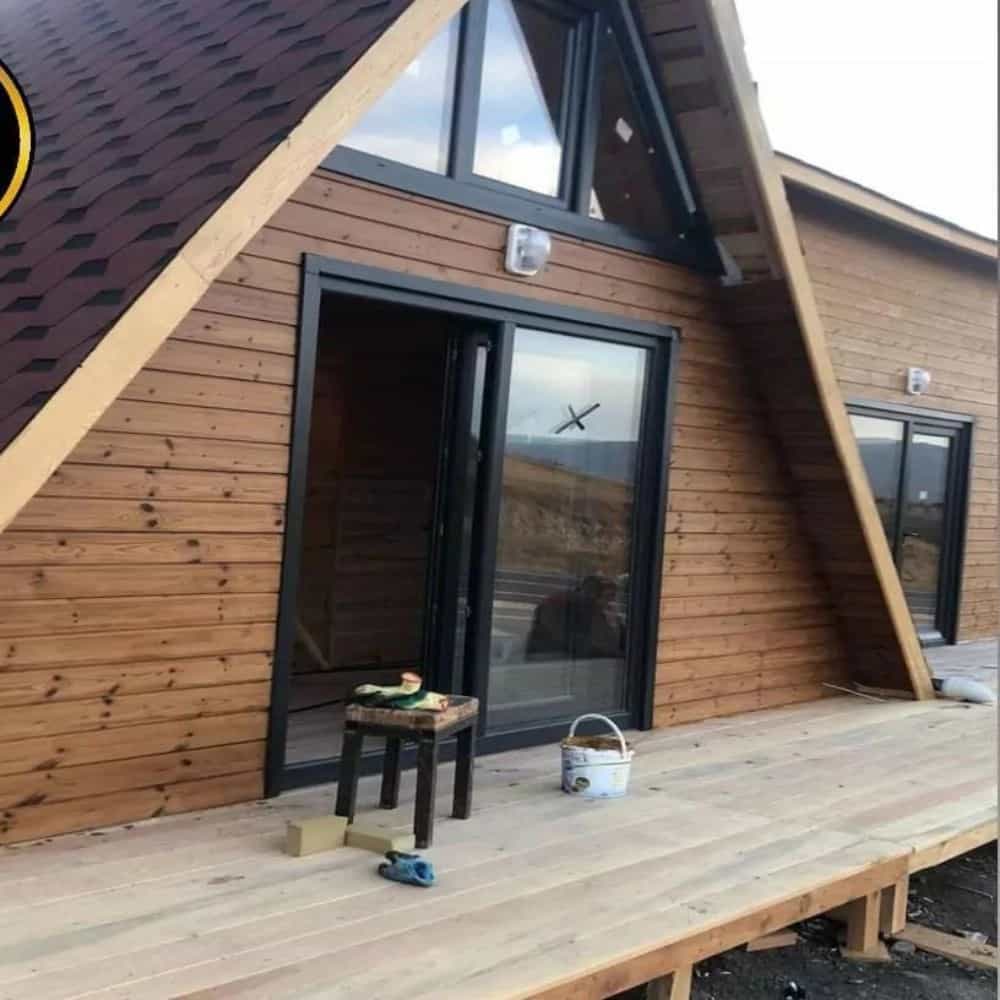
Swiss chalet; Mountain authenticity in contemporary design
Swiss hut is one of the most significant examples of native architecture of the Alps, which displays a unique combination of functionality, beauty and coexistence with nature. In recent years, this traditional architectural model with a modern approach and new materials has been noticed again in the design of villas, summer residences and green buildings. This article introduces the technical features, materials, design principles and the place of the Swiss hut in contemporary architecture.
1. Definition and historical background
Swiss Chalet is a wooden house with a sloping roof and long protrusions that originated in the cold and mountainous regions of Switzerland, Germany and Austria. The primary purpose has been to resist heavy snow and maintain internal heat. In the 19th century, this style went beyond the borders of the Alps and became one of the symbols of the traditional architecture of Central Europe.
2. Architectural and structural features
- Long and elongated gable roof: to prevent the accumulation of snow
- Exposed wooden beams: creating a natural and warm feeling in the space
- Wooden terraces and balconies: increasing the connection with the surrounding nature
- Orientation to the south: to benefit from the sunlight
- Dominant materials: fir wood, natural stone, and in modern versions, a combination of aluminum and wood composite
3. New materials and technologies in the implementation of the modern Swiss cottage
In today's design, Swiss chalets are built incorporating state-of-the-art technologies such as SIPs thermal insulation panels, Low‑E double glazing, and heat recovery ventilation systems. This deviation leads to sustainable use of energy, longevity of materials and reduction of maintenance cost.
4. Visual language and interior design
Swiss chalet interior style is a combination of natural wood texture, carved stone, and warm colors (brown, cream, khaki, and gray). Simple furniture, exposed wooden ceilings, and soft yellow interior light make the space full of peace.
5. Economic analysis and application in Iran
According to the mountainous climate of the north and west of the country, the Swiss style provides a good opportunity to build summer residences with low energy consumption. In case of localization of materials (thermo wood, local granite stone, and Iranian double-walled glass), the implementation cost can be reduced by 30% compared to European designs.
summary
Swiss cottage is a combination of traditional art and modern architectural technology. Its design with the focus on "sustainability", "natural beauty" and "climate compatibility" is an efficient model for Iran's tourism and villa projects.
نظرات و تجربیات شما
دیدگاه شما چیست؟
با ثبت امتیاز خود، به ما در تولید محتوای بهتر کمک کنید.