
3D panel; Stylization and strengthening technology of modern structures
Abstract:
3D Panel is a light and resistant structural system that is made from a combination of steel grids and polystyrene insulation core. This technology is used to build integrated walls and ceilings, and due to its high resistance to earthquakes, insulation and high execution speed, it is considered a new alternative to clay blocks and traditional walls.
1. Technical structure of 3D panel
Each panel consists of three main parts:
- Two-dimensional steel network (Wire Mesh): consists of thin meshed steel bars.
- Middle core: made of expanded polystyrene foam (EPS) for heat and sound insulation.
- Diagonal connections (Diagonal Wire): to create integration between two steel networks.
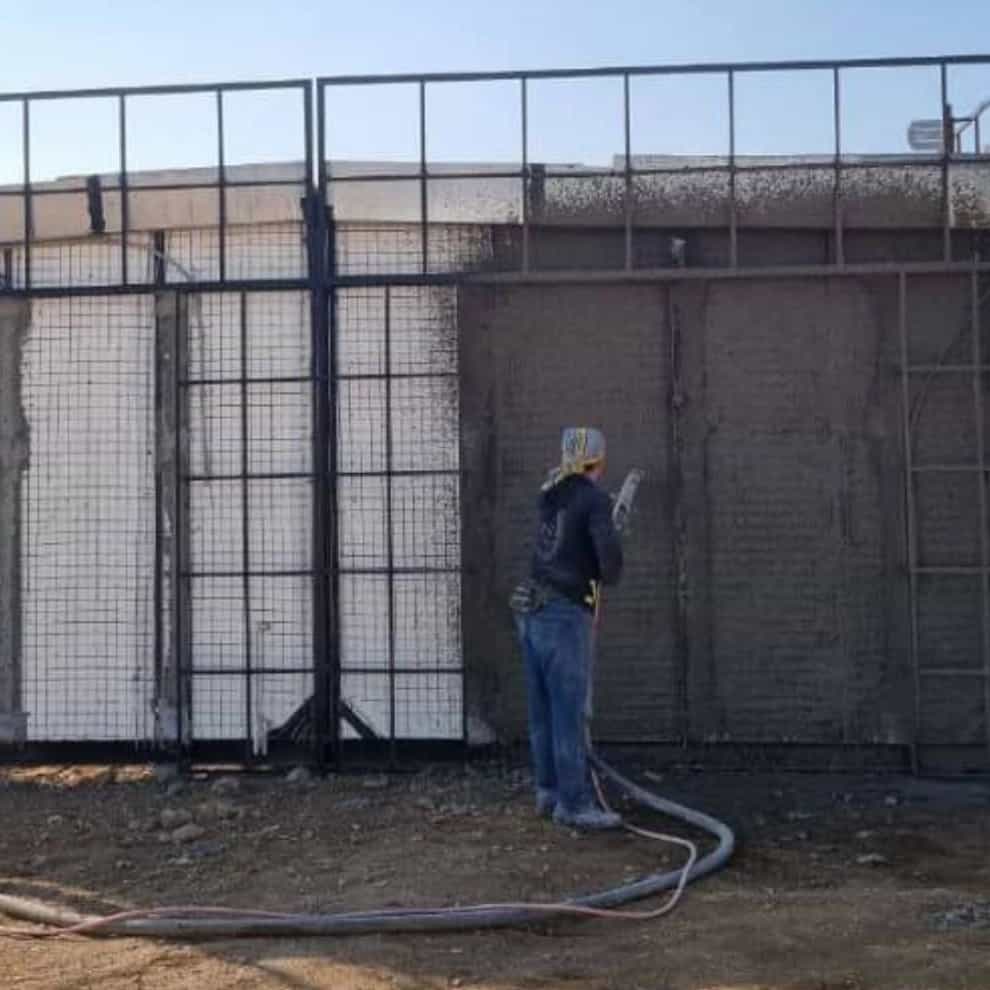
After installing the steel grid on both sides of the foam, a layer of concrete or mortar is sprinkled on it and it acts as a load-bearing wall or roof.
2. Advantages of 3D panel
- Light weight and high resistance: reducing the dead load of the building by 30% and increasing seismic resistance.
- Effective thermal and sound insulation: due to the foam core.
- High speed of installation and dry execution: suitable for mass construction projects.
3. Types of three-dimensional panels
- Non-load-bearing Tri-D panel: for partitions and interior walls.
- Load-bearing Tri-D panel: to replace structural elements in the main walls.
- Ceiling panel: for building slabs and light monolithic ceilings.
- Decorative Tri-D panel: for interior and decorative walls.
4. Technical standards and requirements
- According to Iran's 2800 regulations (earthquake resistance).
- ISIRI 11108 and 11109: technical regulations for the production and quality control of three-dimensional panels.
- ASTM E72: bending and load resistance testing of panels.
5. Economic analysis
Using 3D panels reduces the cost of the skeleton and foundation, because the dead load of the building is less. Also, the quick implementation and elimination of traditional plastering operations reduces the project time by 40%.
summary
Three-D panel is considered a great development in the technology of building walls. This light, insulated and resistant system, while reducing energy consumption and increasing safety, is a suitable solution for sustainable constructions in earthquake-prone areas of the country.
نظرات و تجربیات شما
دیدگاه شما چیست؟
با ثبت امتیاز خود، به ما در تولید محتوای بهتر کمک کنید.